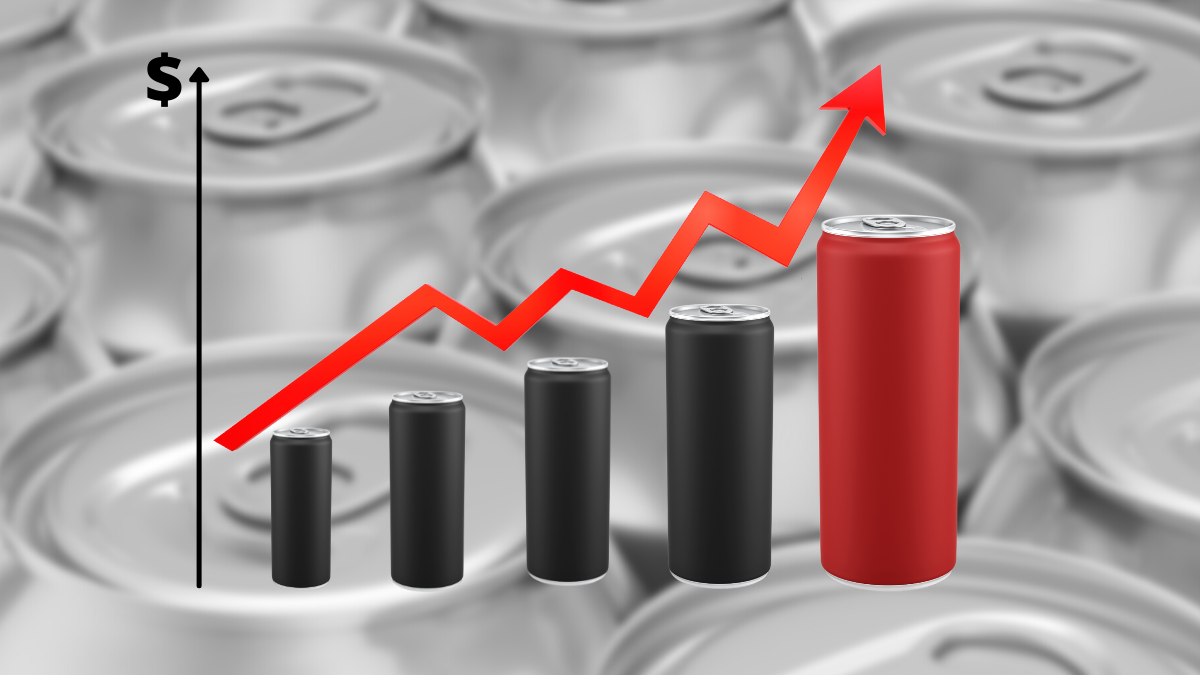
Senators Tammy Baldwin, Democrat from Wisconsin, and Tom Cotton, Republican from Arkansas, have teamed up to reintroduce the Aluminum Pricing Examination (APEX) Act. The bipartisan legislation was introduced as a way to provide enhanced oversight of the markets responsible for reporting aluminum premium pricing.
Proponents of APEX believe, if passed, the legislation will provide much needed stability for both workers and employers across America whose livelihoods rely on the coveted metal. Trade association leaders in an array of pivotal industries publicly praised Senators Baldwin and Cotton and reiterated the importance of transparent aluminum pricing. H.R. 2698, an identical legislation, was originally introduced in the House of Representatives this past April.
“We applaud Senators Baldwin and Cotton for their work to ensure aluminum costs reflect market fundamentals,” stated Jim McGreevy, president and CEO of the Beer Institute. “The APEX Act is a commonsense proposal that will provide much-needed transparency to aluminum pricing. Aluminum is the largest commodity cost for brewers, and the beer industry supports more than 2 million jobs across the U.S. This legislation is critical for our nation’s brewers to continue to create good-paying jobs and invest in their operations.”
High Demand for Aluminum Cans
For the past year and a half the hard beverage industry has been struggling to keep up with demand for its canned products. The pandemic and resulting quarantines kept consumers away from on-premise locations. Instead shoppers started purchasing beverage alcohol products from retail locations, grocery and convenience stores as well as alcohol delivery platforms in record numbers.
Beers that had been previously enjoyed on tap were being purchased in cans at higher rates than before, while hard seltzer and newer ready-to-drink beverages (RTDs) began experiencing unprecedented sales growth.
The hard seltzer market, in particular, saw incredible growth over the course of the pandemic. The hard seltzer market neared $4.4 billion globally in 2019. It is projected to hit over $14.5 billion by 2027.
Hard seltzers are currently mostly sold in aluminum cans. During the height of the pandemic almost all of the major alcohol beverage companies were forced to invest heavily in expanding their seltzer output capabilities in order to keep fans satiated. Ball Corporation, the largest supplier of beverage cans globally, even recently invested well over $1 billion towards increasing its can production.
Even with on-premise venues beginning to reopen, beverage alcohol companies continue fighting to stay ahead of the hard seltzer demand. However, now the industry faces added complications. For instance, the Midwest Premium, aluminum prices when supplied to states in the Midwest, keeps rising. Additionally, tariffs on aluminum from the United Arab Emirates were imposed by the Trump administration — and have been continued by the Biden administration.
Packaging Alternatives
Premiums coupled with aluminum tariffs and consumer demand have forced companies to rethink their portfolios as well as their packaging decisions.
Many beverage companies have started looking for creative alternatives to the aluminum can such as glass, PET plastic, cardboard, and paper. The APEX Act is aimed at combating rising aluminum costs via additional pricing oversight and, in the process, fostering economic growth.
“America’s beverage companies are proud to support jobs in every community across the country,” insisted Katherine Lugar, president and CEO of the American Beverage Association. “We commend the bipartisan leadership of Senators Baldwin and Cotton to bring transparency, enhanced oversight and more certainty to a complicated metals pricing system which will ultimately benefit American workers and consumers.”
Other Industries Voice their Support
Beverage alcohol is not the only industry adversely affected by inconsistent aluminum pricing. Leaders in marine manufacturing, household supplies, food packaging, medical supplies and beyond are all voicing their support for the APEX Act.
“As manufacturers face cost increases at every link in their supply chains, there could not be a more important moment for this legislation,” remarked Geoff Freeman, president and CEO of the Consumer Brands Association. “The APEX Act will bring more certainty and transparency for the consumer packaged goods industry – which depends on aluminum to make and package everything from aluminum foil to canned goods – and will allow the CPG industry to continue to deliver essential goods to the American people.”
In the marine manufacturing industry, aluminum boats account for over 40% of new boat sales yearly, or roughly $3 billion in retail sales. Additionally, a lack of affordable aluminum would put upwards of 22,000 marine industry jobs at risk.
“From driving up costs for essential raw materials to stifling exports to our top international markets, the Section 232 tariffs on aluminum and steel have created a myriad of unintended consequences for American boat builders,” lamented Frank Hugelmeyer, President of the National Marine Manufacturers Association.
Aluminum is a necessary packaging material across industries. In food, pharmaceutical and medical industries, for instance, unsanitary packaging could have deadly consequences.
“Fine gauge aluminum foil is necessary for barrier protection and sterility in a host of food, pharmaceutical and medical device flexible packaging, and it is not available in the U.S. both in terms of quantity or quality. The Midwest Premium, on top of the current tariffs and duties on foil from outside the country, leaves U.S. converters vulnerable to competition from foreign suppliers of finished goods. In fact, these extra costs only injure the aluminum manufacturers’ customers and may destroy the very market they seek to protect,” explained Alison Keane, president and CEO of the Flexible Packaging Association.
As American industries anxiously await the outcome of the APEX Act, we will likely see more companies exploring aluminum alternatives in an effort to save money and keep their products stocked on retail shelves.
- Seltzer Category Expanded for 2022 Craft Beer Marketing Awards - February 11, 2022
- Drifter Expands Portfolio with Nordic-Style Gin - January 18, 2022
- Tilray Acquires Green Flash and Alpine Beer - December 22, 2021